The cold chain: how fresh produce stays fresh from farm to port
Pre-cooling, container temperature and ventilation: three steps that decide how your shipment looks on arrival.
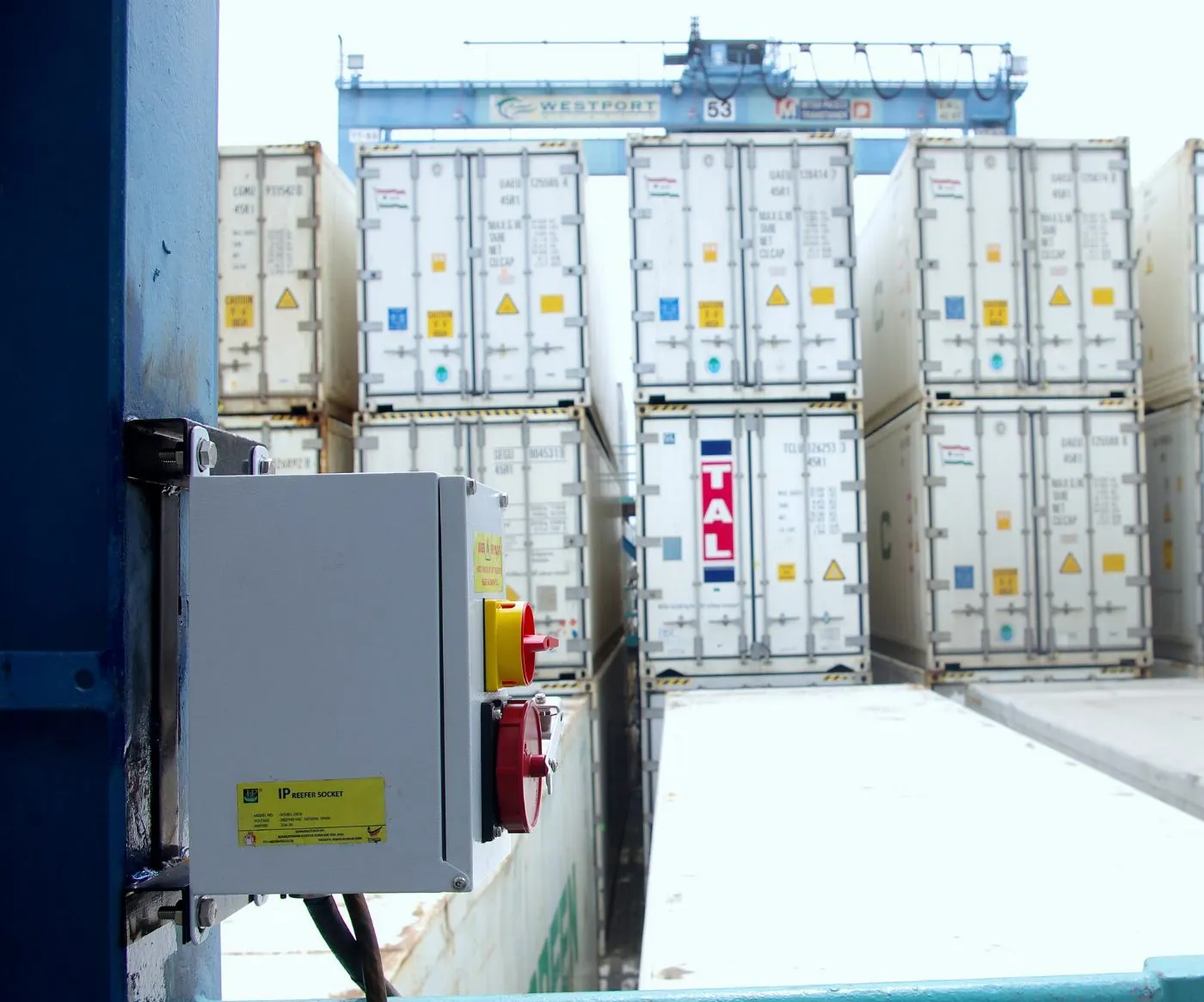
Fruit and vegetables are still alive after harvest: they breathe, lose water and keep ripening. The cold chain's job is to slow all of that down, from the moment of picking until the importer opens the container doors.
1. Pre-cooling
The most important hours in a shipment's life are the first ones after harvest. Produce goes into pre-cooling rooms to bring the pulp temperature down quickly before loading. A reefer container is built to hold temperature, not to pull it down, so loading warm produce means lower quality on arrival.
2. The right temperature for each product
Every product has an ideal range, and getting it wrong causes chilling injury or speeds up ripening:
| Product | Approximate range |
|---|---|
| Grapes | 0 to 1 °C |
| Strawberries | 0 to 1 °C |
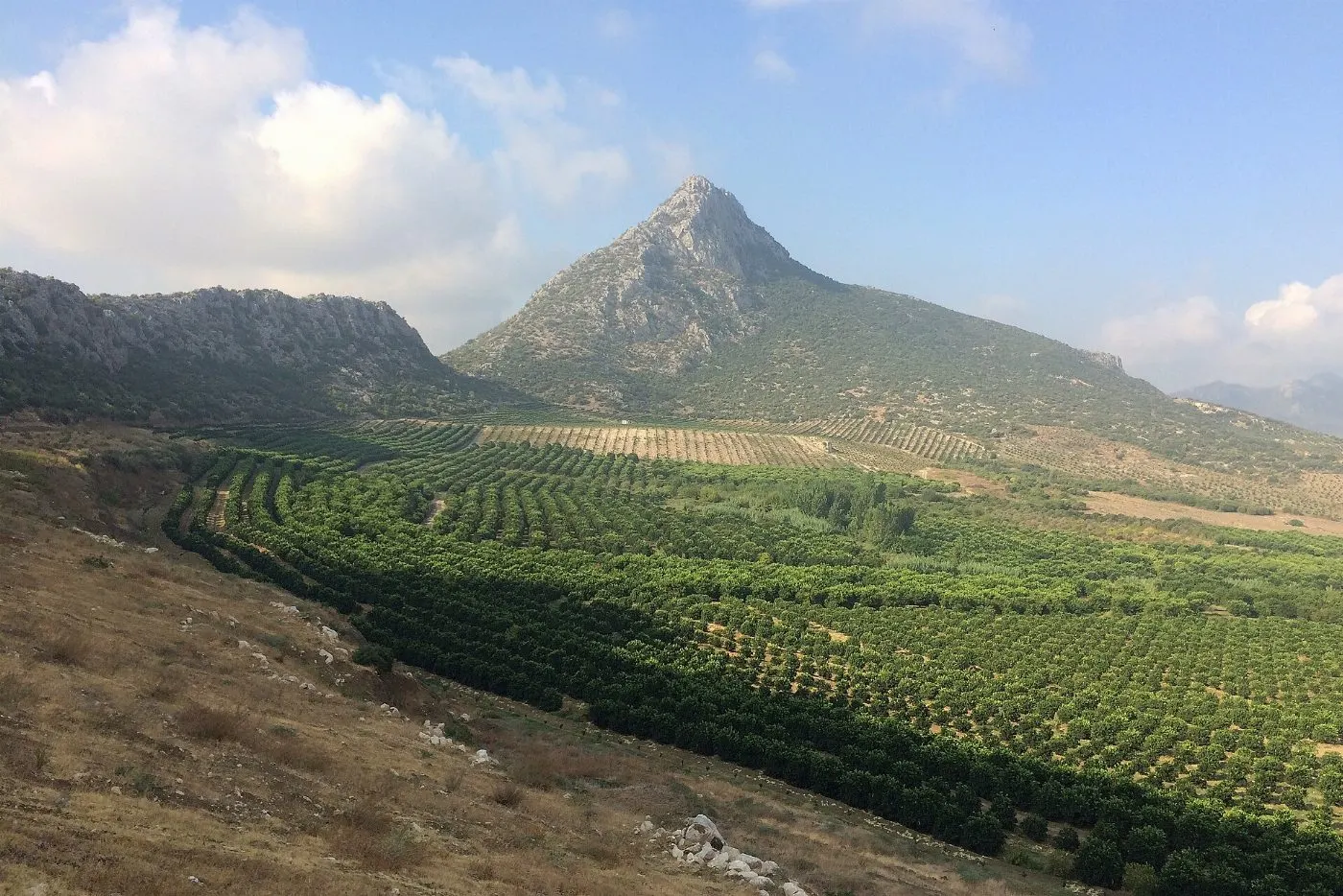
| Oranges | 4 to 7 °C |
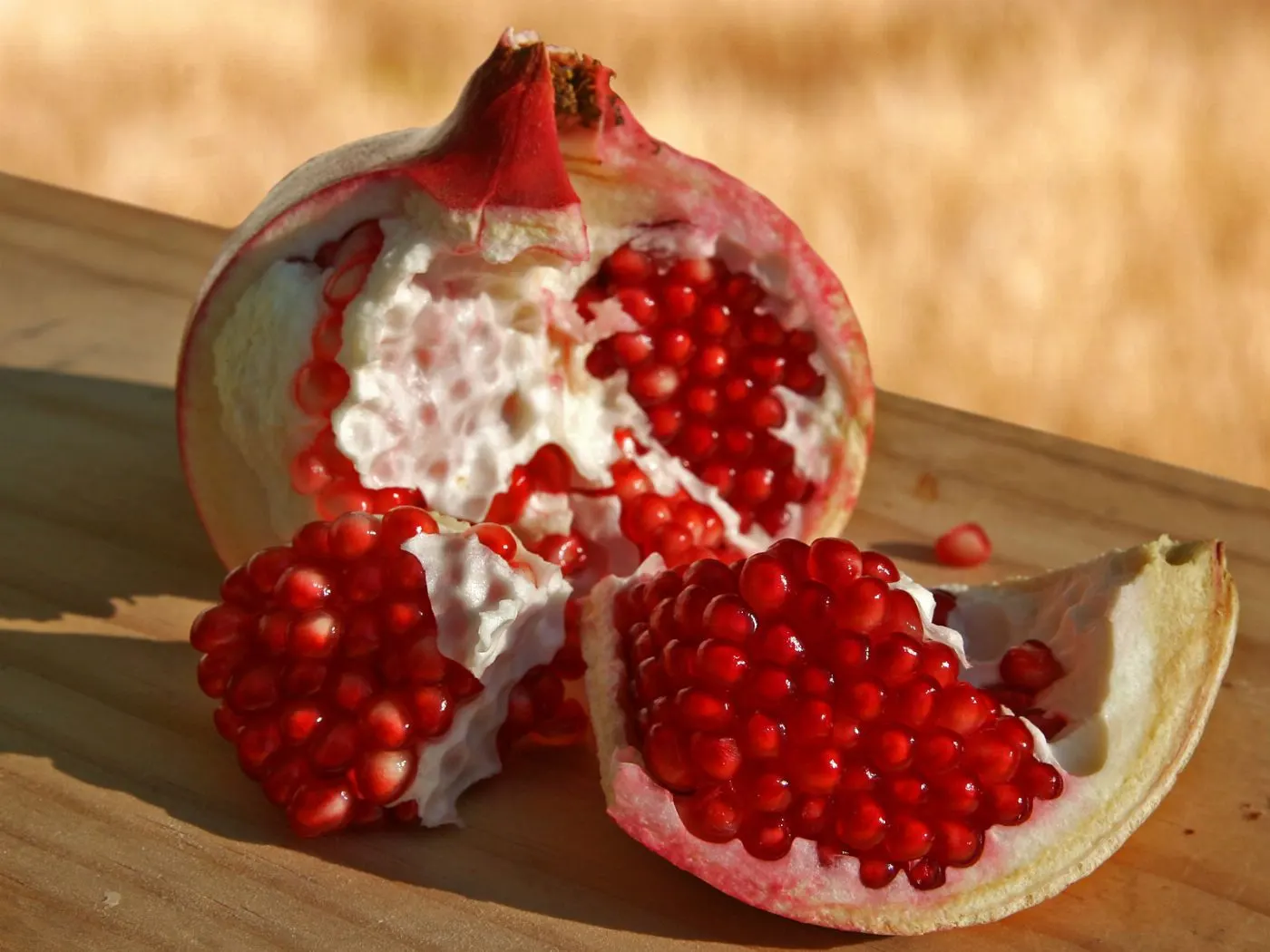
| Pomegranates | 5 to 7 °C |
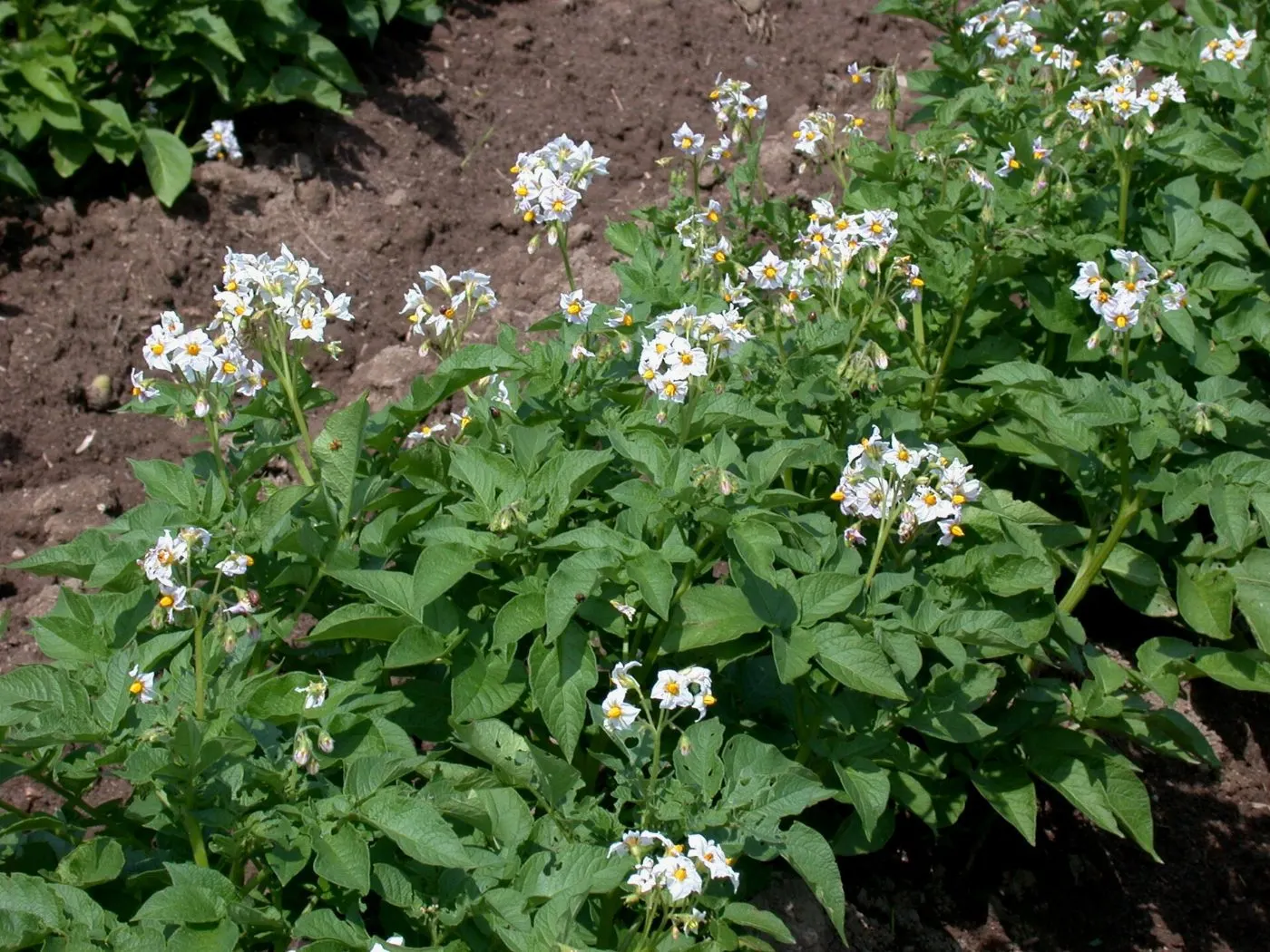
| Potatoes | 6 to 8 °C |
The final set point depends on the variety, transit time and destination requirements.
3. Ventilation and humidity
Container vents are set to flush out ethylene and carbon dioxide, and humidity is managed to prevent both shrivelling and mould. Cartons are stacked so cold air can flow between them.
4. Monitoring until arrival
We place temperature loggers inside the container, giving the importer a full temperature record for the voyage. That makes any insurance claim easier and gives the buyer peace of mind.
The cold chain is not an extra cost. It is what protects the value of the whole shipment.